Functional Kitchen Storage Ideas
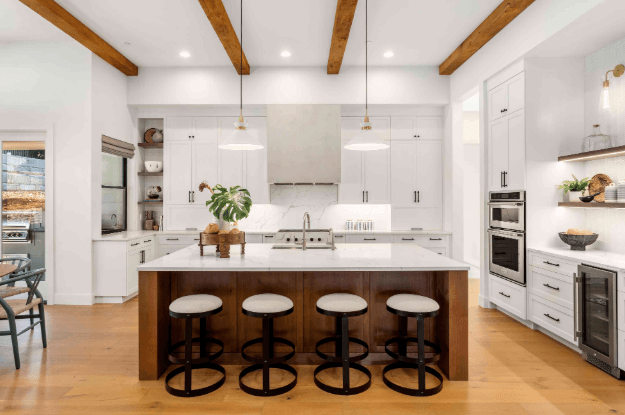
Functional kitchen storage blends durable design with practical layout. Corner solutions, pull-out organizers, and labeled zones keep essentials accessible. Drawers and cabinets gain efficiency through dividers and adaptable accessories. Flexible shelving and modular furniture free counter space, while island tops and wall units add vertical storage. Regular maintenance and a simple budget support lasting upgrades. Repurposing existing components keeps costs down and spaces evolving, inviting further consideration of how to balance form, function, and workflow. A careful plan just beyond the horizon awaits.
Maximize Small Spaces With Corner Storage Solutions
Corner spaces often go underused in compact kitchens, but smart shelving, pull-out organizers, and angled racks can transform them into accessible storage. This approach emphasizes corner efficiency, enabling quick access and reduced clutter. Smart nooks support flexible layouts, letting users redefine boundaries and keep essentials within reach. The design remains practical, concise, and freedom-focused, prioritizing usable space over wasted corners.
Drawer and Cabinet Organizers for Everyday Cooking
Drawer and cabinet organizers streamline everyday cooking by turning cluttered spaces into reachable stations.
In practice, drawer organization maximizes tool accessibility, while cabinet dividers create clear zones for lids, pans, and pantry staples.
This approach reduces search time and fatigue, supporting a more confident, independent kitchen routine.
Durable materials, adjustable layouts, and simple labeling reinforce orderly, flexible workflows for daily cooking expectations.
Flexible Shelving and Multifunctional Furniture Ideas
Flexible shelving and multifunctional furniture ideas extend the benefits of organized storage beyond fixed layouts. In practice, adjustable rails, wall-mounted units, and modular stacks maximize vertical space while preserving open counters. Multifunctional furniture, like benches with hidden bins or island tops doubling as work surfaces, enhances flow. This approach favors flexible shelving and practical design without clutter, supporting freedom in cooking spaces.
Maintenance, Budgeting, and Repurposing for Longevity
A practical approach to kitchen longevity centers on maintenance routines, budgeting for replacements, and repurposing existing elements to extend usefulness. The text presents clear, actionable steps: routine checks, timely repairs, and simple upgrades that preserve function. It highlights maintenance budgeting as a planning tool and emphasizes repurposing longevity by reusing components, reducing waste, and matching storage to evolving needs.
Frequently Asked Questions
How Can I Improve Air Circulation in Closed Pantry Spaces?
Airflow optimization can be achieved by installing vents, adding unobtrusive fans, and organizing shelves to maximize circulation. Moisture control is essential; use desiccants and dehumidifiers, ensure door gaps are sealed, and monitor humidity to preserve stored items.
Which Materials Resist Heat and Moisture Best in Kitchens?
Heat resistant fabrics and moisture proof finishes rank highly for kitchens. They resist heat exposure and humidity, enabling durable surfaces and accessories. The approach remains practical, descriptive, concise, appealing to freedom-seeking individuals who value resilient, maintenance-friendly materials.
What Are Cost-Effective Ways to Label and Track Pantry Items?
Labeling systems offer simple, cost-effective ways to organize pantry items, while inventory tracking keeps essentials visible and minimized. A practical approach uses reusable labels, a basic log, and periodic audits to maintain clarity, flexibility, and freedom in storage.
How Do I Design Kid-Friendly Storage Without Sacrificing Access?
Designing kid-friendly storage with accessible design ideas and clear storage organization strategies ensures safe, easy access for children while preserving adult convenience; it emphasizes low, adjustable shelves, labeled bins, rounded corners, and reachable controls to balance freedom and order.
See also: Front Yard Landscaping Ideas
What Are Best Practices for Indoor Herb and Seed Storage?
Indoor herb and seed storage requires cool, dark shelves, airtight containers, label clarity, and consistent humidity. Suspenseful rhythm emerges as practical steps unfold: organize by type, rotate stock, monitor freshness, and preserve flavor freedom through thoughtful placement.
Conclusion
In summary, smart corner storage, pull-out organizers, and modular shelves transform cramped kitchens into efficient workspaces. A practical statistic helps visualize impact: up to 40% of kitchen space can be reclaimed with well-planned pull-outs and labeled zones. Routine maintenance, targeted budgeting, and repurposing existing components sustain longevity while keeping counters clear. The result is a durable, adaptable layout that supports daily workflows, minimizes clutter, and remains responsive to evolving cooking habits and family needs.